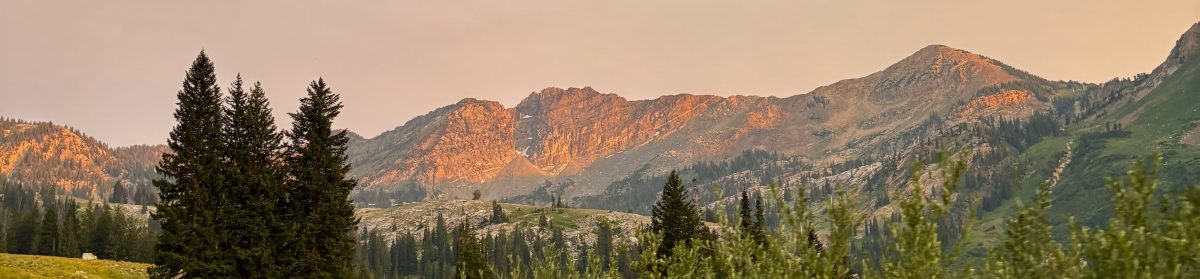
Another day, another five-mile walk in the autumn sun. I’ve said it before, and I’ll say it again: what a privilege.
There was a time I would have taken that for granted—not just the walking, but the friendship and camaraderie that comes from spending miles in conversation with friends.
What seems like a lifetime ago, I was a runner. Running was solitary for me, exactly how I liked it. It gave me space for my thoughts. Pounding my burdens into the pavement became my therapy.
I began walking with friends after buying my first home and having a few kids. That’s when I discovered the joy of female companionship, and I learned that doing something hard together—especially something physically demanding like exercise—can strengthen relationships in ways words alone cannot.
But life grew noisy. The demands of motherhood and the endless “more important” tasks slowly edged out those near-daily walks with friends.
In 2012, I suffered a traumatizing miscarriage and fell into depression. Aaron gently suggested I find a hobby to help me recover. I decided to certify in group fitness and began teaching a Pilates-and-yoga-fusion class I called Mix Method. Later, I added High Fitness to reach a broader audience and bring a little cardio fun into the mix.
Putting myself out there wasn’t easy at first, but week by week, my class attendance grew. I had my regular ladies who came faithfully, and others who popped in when life allowed. We spent years sweating side by side, learning from one another, laughing, struggling, and celebrating our progress. I called them my friends, and I hoped they felt the same. Doing something difficult—especially something physical—has a way of bonding people.
But it all ended.
That cursed day in October 2021, my heart could take no more. With my ARVC diagnosis, it was no longer safe to teach fitness classes. I was a literal ticking time bomb. Teaching had been my social life, my way of connecting. Without it, I felt like I had no value outside providing classes.
At one point, I had to write an email to High Fitness to cancel my membership and close my instructor portal. I would never teach aerobics safely again; my heart was broken. I explained my situation—that I needed a heart transplant—and their response was, “That must be scary for you. Have fun in your next adventure!”
I wasn’t sure what response I had expected, but it certainly wasn’t that. I felt dropped like a wet brick by a community I thought I could rely on.
There have been times in the last four years when I felt deeply alone. That feeling is common for people who have gone through something as traumatic as a heart transplant—there are few who can relate, and some distance themselves out of discomfort or fear. I also noticed that my conversations often circled back to my health, which can be boring or isolating for others.
Almost exactly two years ago, I sat in my car, tucked inside the garage, feeling utterly destitute. My health was failing, and I knew my days of driving were coming to an end. That morning, while taking my daughter to school during a dizzy spell, I had driven directly into the path of a dump truck, narrowly avoiding disaster with the next turn. I had to admit: I was no longer safe behind the wheel. By that time, I had been waiting for a heart for more than a year. I realized that in order to get better, things were going to have to get so much worse. I needed a miracle. I cried. I prayed. I cried and prayed again.
And I felt so alone.
I asked God to send me someone, anyone, to help me—someone to ease my burden, to distract me from the crushing loneliness. The answer was clear: no.
Surprised? I was. It seemed like such a simple request. I wasn’t asking for an earth-shaking miracle. I wasn’t asking for the heart I needed. I was asking for someone to reach out and ease my loneliness.
The answer was no because I had lessons to learn—one of which was to notice and appreciate the ways people were already showing up, even in small ways.
This is one reason I collect heart-shaped rocks.
On my kitchen counter sits a jar of heart rocks. Most are collected from nature—small gifts from a loving Father in Heaven, reminders to see miracles every day. Some are gifts from people in my life, accompanied by notes that say, “I saw this rock and thought of you.”
My son, Aiden, served a mission in Ghana. Fishing is a big part of life there in Cape Coast. Fishermen take large nets from the beach and cast them into the ocean. At the end of the day, they pull the nets ashore to see what they’ve caught. The nets are huge, and they cannot be hauled in by one man alone—so others step in to help.
One day, Aiden and his companion came across such a scene. They began to help pull for an hour before two of the fishermen began arguing. To Aiden’s surprise, everyone else dropped the line and walked away. No fish were hauled in that day.
In life, we all have our own lines we’re pulling, our own responsibilities and messy challenges. At the same time, we are called to show up for others. We don’t have to haul in the nets alone.
Recognizing how people show up—big or small—makes a difference. A sincere, “How can I pray for you?” or “You’re in my prayers” goes a long way. Faith-filled prayer, followed by acting on promptings, is one of the most charitable things we can do. After all, in the final hours before His death, that is exactly what Christ did for all of us.
I am blessed to see these acts in my life: God’s angels taking up my line, helping me haul in my nets. Offering a prayer, silent or spoken. Noticing a heart-shaped rock, cloud, or even a Pringles chip. Sending a morning text: “Walk at 9?”—and then filling the miles with our words and laughter.
What a privilege.
 Witness Marks